Custom Software Development vs Off-the-Shelf: Which Is Better?
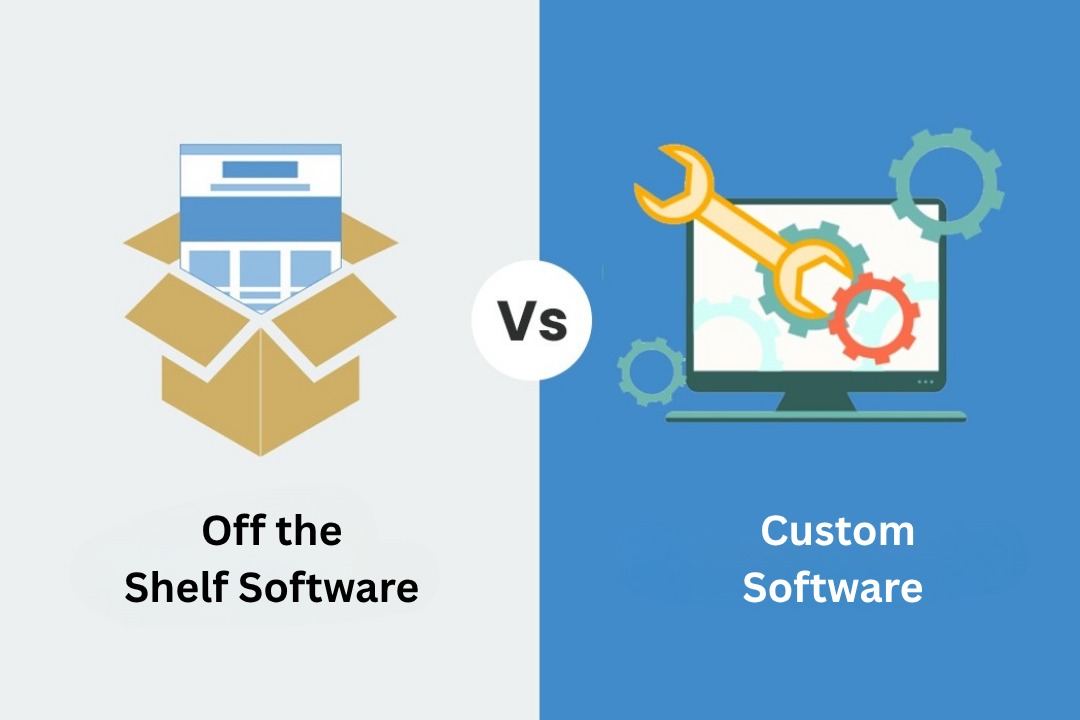
In today’s competitive digital landscape, businesses rely heavily on software to streamline operations, improve efficiency, and drive growth. One of the most important decisions companies face is whether to choose custom software development or go with off-the-shelf software solutions. Both options come with their own advantages and limitations. The right choice depends on your business goals, budget, scalability needs, and long-term vision. In this blog, we’ll break down the differences, pros, cons, and help you decide which option is best for your business.
What Is Custom Software Development?
Custom software development refers to building software specifically tailored to your business needs. It is designed from scratch to match your workflows, processes, and goals.
Key Characteristics
- Fully customized features
- Scalable and flexible
- Built to fit your business processes
- Owned and controlled by your company
What Is Off-the-Shelf Software?
Off-the-shelf software is pre-built software designed for a wide range of users and industries. It is ready to use and requires minimal setup.
Examples
- CRM tools
- Accounting software
- Project management tools
Key Characteristics
- Ready-made solution
- Lower upfront cost
- Limited customization
- Subscription-based pricing
Custom Software vs Off-the-Shelf: Key Differences
1. Cost
Custom Software:
Higher initial investment but lower long-term costs (no recurring licensing fees).
Off-the-Shelf:
Lower upfront cost but ongoing subscription or licensing fees.
2. Customization
Custom Software:
100% tailored to your business needs.
Off-the-Shelf:
Limited customization options; you may need to adjust your processes.
3. Scalability
Custom Software:
Highly scalable as your business grows.
Off-the-Shelf:
May face limitations as your requirements expand.
4. Implementation Time
Custom Software:
Takes longer to develop and deploy.
Off-the-Shelf:
Quick implementation and immediate use.
5. Maintenance & Support
Custom Software:
Requires dedicated maintenance but offers full control.
Off-the-Shelf:
Vendor-managed updates and support.
6. Integration Capabilities
Custom Software:
Easily integrates with your existing systems.
Off-the-Shelf:
Limited integrations depending on vendor support.
Advantages of Custom Software Development
- Tailored to your exact business needs
- Better scalability and flexibility
- Competitive advantage
- Improved efficiency and automation
- Full data ownership and control
Advantages of Off-the-Shelf Software
- Faster deployment
- Lower upfront cost
- Proven reliability
- Regular updates from vendor
- Easy to use and implement
When Should You Choose Custom Software?
You should consider custom software if:
- Your business has unique workflows
- You need high scalability
- You want a competitive edge
- You require deep integrations
- Data security and control are priorities
When Should You Choose Off-the-Shelf Software?
Off-the-shelf solutions are ideal if:
- You have a limited budget
- You need a quick solution
- Your requirements are standard
- You don’t need heavy customization
Why Custom Software Is a Smart Investment for Growing Businesses
For businesses planning long-term growth, custom software often becomes the better choice. While the initial investment is higher, it pays off through efficiency, automation, and scalability.
At TechBuddies IT, we help businesses build custom software solutions that align perfectly with their goals, ensuring long-term success and ROI.
Conclusion
There is no one-size-fits-all answer when choosing between custom software and off-the-shelf solutions. The best option depends on your business needs, budget, and future plans.
If you need flexibility, scalability, and tailored solutions, custom software is the way to go. If you want a quick, cost-effective solution, off-the-shelf software may be sufficient.
Carefully evaluate your requirements before making a decision and, if needed, consult experts to guide you.
FAQs
1. What is the main difference between custom software and off-the-shelf software?
Custom software is built specifically for your business, while off-the-shelf software is designed for general use.
2. Is custom software more expensive?
It has a higher upfront cost but can be more cost-effective in the long run.
3. Can off-the-shelf software be customized?
Yes, but customization is usually limited compared to custom-built solutions.
4. Which option is better for startups?
Startups often begin with off-the-shelf software due to budget constraints but may switch to custom solutions as they grow.
5. How long does custom software development take?
It depends on complexity but typically ranges from a few weeks to several months.
6. Is custom software secure?
Yes, it can be more secure since it is built with specific security measures tailored to your business.
7. Can custom software integrate with existing tools?
Yes, custom solutions are designed to integrate seamlessly with your current systems.
8. What industries benefit from custom software?
Healthcare, finance, e-commerce, logistics, and manufacturing benefit greatly from custom solutions.
9. Does off-the-shelf software require maintenance?
Yes, but updates and maintenance are usually handled by the vendor.
10. How do I decide which option is right for me?
Evaluate your budget, business needs, scalability requirements, and long-term goals.